
Welcome. This friendly list shares practical ideas that fit real schedules and energy levels. You can start small and still see quick mood boosts and steady long-term gains in health.
It does not require a gym or spandex. Movement can support joint comfort, help fight heart disease, and link to clearer thinking.
Expect progress you can repeat, not an all-or-nothing plan. Reaching your goals here means building habits, moving better, and using simple systems for consistency.
This clear list-style guide covers goal-setting, a sustainable weekly routine, tracking tools, lifestyle movement, support systems, form and intensity, nutrition, gear, safety, and recovery. Pick what fits and start today.
Key Takeaways
- Small, repeatable actions beat dramatic one-time efforts.
- Quick benefits include mood; longer gains improve health and performance.
- Habits, simple routines, and tracking aid consistency.
- Exercise beyond the gym lowers barriers for beginners and busy adults.
- Focus on safe form, recovery, and steady progression.
Fitness tips for setting goals that actually stick
Set goals that fit your life so they survive busy weeks and travel. Start with two layers: a short-term habit and a longer-term target. This keeps momentum when work or family time gets tight.
Short-term: a clear habit, like run three days a week for 30 minutes. Long-term: a directional goal, such as training for a half marathon.
“Run three days a week for 30 minutes → half marathon” — Eric M. Cohen, MD
Write your why, what, how on paper: why now, what changes with steady activity, and how this week will work (calendar, places, backups).
Use the scale wisely: weigh in in the morning once weekly and treat weight as one data point, not the whole story.
- Set athletic markers (distance, reps, form) so wins aren’t only about appearance.
- Reward milestones with things that support the habit—new shoes, a massage, or a fun night out. Some insurance plans even offer incentives.
Build a weekly exercise routine you can maintain
A simple weekly plan beats a perfect but unsustainable one. Start with a clear, repeatable routine that fits work, family, and rest. Small wins stack into real progress when the schedule is realistic.
Start small: three days and realistic minutes
Begin with three 30-minute sessions per week. This beginner-friendly pace makes the habit feel doable and lowers the barrier to start.
Prioritize consistency over intensity
Consistency beats intensity. Doing moderate sessions regularly prevents soreness and burnout. Too much too soon often leads to skipped sessions and lost momentum.
Schedule workouts like appointments
Block calendar slots and add a backup time for missed sessions. Treating the session as a meeting protects your time and makes follow-through easier.
Add time and training gradually
After about four weeks of steady practice, add another 30 minutes every other week, not all at once (Anna Kaiser). For cardio goals, increase weekly volume by roughly 5–10% to lower injury risk (Andrew Kastor).
Use variety so the body keeps adapting
- Mix strength, cardio, and mobility across days.
- Try outdoor movement or a class to change the stimulus.
- Keep the goal: a maintainable week you can repeat.
“A maintainable week is the win — repeating it builds results.”
Track progress and use a device to stay accountable
A simple log bridges what you think you did and what you actually achieved. Tracking turns vague memory into clear steps you can repeat and improve.
Use a journal, app, or wearable to log workouts and activity
What to record: workouts completed, sets/reps/weights, distance, steps, and how you felt (energy, sleep, soreness). This makes motivation clearer and progress measurable.
Tools that work: a notes app, a paper journal, or free smartphone apps—choose what you will use daily. Logging changes “I think I worked out” into proof you can build on.
Try a heart rate monitor to understand effort in real time
Why it helps: a heart rate monitor shows beats per minute so you learn real effort versus how hard it felt. That rate data helps prevent doing too much on easy days and too little on hard ones.
“Wearables can track daily activity and remind you when you’ve been sitting too long.” — Eric M. Cohen, MD
Use tracking as accountability, not judgment. The log guides adjustments and helps you celebrate steady gains in fitness and overall health.
Make fitness fit your life beyond the gym
You can make daily movement work around real life, not compete with it. Simple choices turn ordinary moments into useful activity so you move more each day.
Turn day-to-day activities into heart-pumping movement
Reframe routines: take stairs, park farther, or walk briskly between errands. Split a grocery list and race to finish first to make chores playful — a memorable trick from Eric M. Cohen, MD.
Choose fun workouts like walking clubs, intramural sports, or classes
Pick what you enjoy: join a walking club, try paddle boarding, or sign up for rec-center classes. Community options and low-cost leagues make exercise social and easier to keep up.
Get your family involved with simple, active routines
Even short routines with family multiply across weeks. Try evening walks, park afternoons, dancing at home, or walking laps while kids play soccer. More movement per day compounds into real gains for people who sit a lot for work.
- Reframe activity as many ways outside the gym.
- Make daily chores boost your heart for small, steady wins.
- Choose social options so staying active feels natural with family and friends.
Lean on friends, support systems, and community
Shared effort makes hard days easier and good weeks repeatable. Motivation often starts alone, but community and accountability help a plan stick as part of life, not a short phase.
Find a friend who matches your schedule and goals
Choose a friend who can meet when you can and who shares similar aims. Look for someone supportive, reliable, and willing to push you on key sessions.
Why it matters: a buddy keeps you honest and makes a workout feel social instead of a chore.
Say your goals out loud for follow-through
Tell friends or family your goals. Saying them increases accountability and makes it easier to ask for help when motivation dips.
“Saying goals out loud increases accountability and support.” — Eric M. Cohen, MD
Use group classes and local centers for structure
If you don’t have a friend, try a gym, city recreation center, or a walking group. Group classes and trainers create built-in checks and steady routines.
- Pick a class time you can repeat each week.
- Text one friend to schedule the first session and make it recurring.
- Join beginner programs for guided support from trainers and people who want the same results.
Small social moves matter: the right friends make workouts more fun and help consistency grow week after week. Trainers like Noam Tamir note that active support builds long-term habits.
Train smarter with intensity, heart rate, and strong form
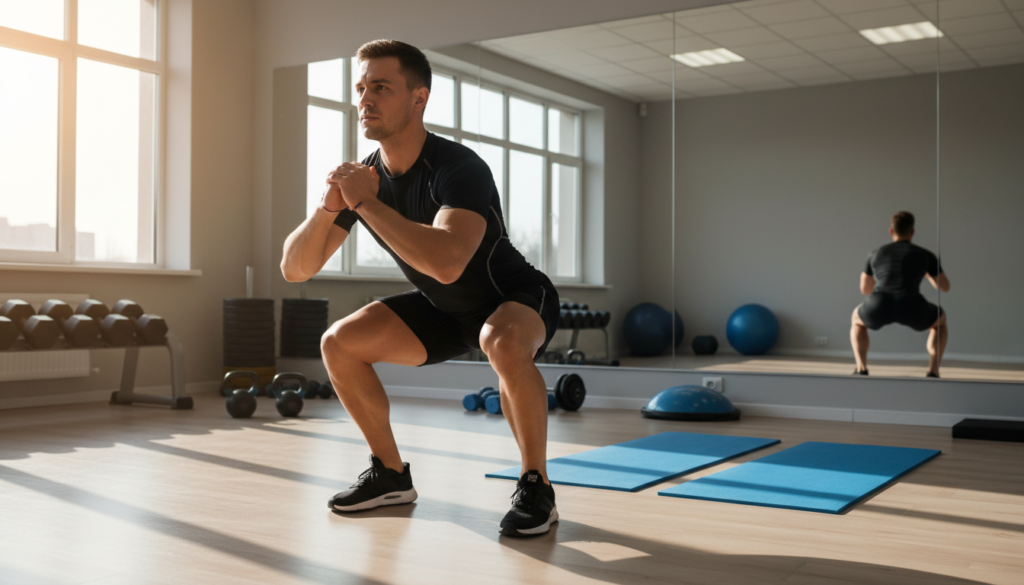
Work smarter, not just harder—your approach to intensity and form shapes results. Start sessions with a 5–10 minute dynamic warm-up: leg swings, hip circles, and easy lunges to wake joints and raise core temperature.
Warm-up and cool-down
Finish with gentle stretching and breathing for 5–8 minutes to help recovery and reduce injury risk. Dynamic moves before and light stretches after make each workout feel better.
Master foundational moves
Build the basics: squats, lunges, rows, and presses train durable movement patterns. Focus on form first, then add load so muscle and body adapt safely.
Progress, plateaus, and side stitches
Recognize a plateau when pace or strength stalls. Increase running volume by about 5–10% weekly or add variety—don’t jump intensity suddenly.
If a side stitch (ETAP) appears, slow or stop, breathe deeply, and avoid large meals 2–4 hours before activity. Support like a wide belt can help in some cases.
Rest and tracking
Rest days are part of smart training—muscle growth happens during recovery. Track changes in volume, intensity, and rest so you learn what your body responds to over time.
Nutrition and hydration tips to fuel workouts and support health
Smart eating and simple hydration make your workouts feel easier and more productive.
Hydration basics
Water is usually enough for most sessions under about one hour. For longer or very intense sessions, consider a low-calorie sports drink to replace electrolytes and carbs.
Choose sports drinks intentionally: they help when duration or intensity is high, but they add calories and sugar if used by habit.
Stock the fridge for easier eating
Keep simple, ready foods so good choices require less willpower.
- Fruits (bananas, grapes), pre-cut vegetables, and hummus
- Lean proteins: hard-boiled eggs, rotisserie chicken, plain fat-free yogurt
- Nuts in-shell, whole-grain bread, and flavor boosters like balsamic vinegar
Balanced plates and portion control
Use the plate rule: half vegetables/fruit, one quarter lean protein, one quarter whole grains. This supports weight control and heart health without counting every calorie.
Cut added sugar and smart snacking
Start by swapping sugary drinks and desserts for fruit or yogurt. Less added sugar links to lower weight and better heart and metabolic health.
Mid-afternoon snack ideas: hummus with veggies, grapes with walnuts, or apple slices and cheese to avoid overeating later.
Pre- and post-session carbs, race fueling, and packing
Eat carbs about two hours before activity. After a session, replenish with carbs within 30–60 minutes to aid recovery.
For race-day runs, aim for ~200–250 calories about 90 minutes before start. Pick familiar, high-carb breakfasts (oatmeal with fruit or toast with peanut butter). Caffeine is fine if it works for you.
“Pack safety and comfort: RoadID, sunglasses, phone/music, and a watch or GPS ease race prep.”
Meal planning for busy weeks
Choose 2–3 repeatable breakfasts, batch simple proteins and veg, and keep a few backup meals on hand. This saves time and keeps eating aligned with your goals.
Gear, comfort, and safety that keep you moving
Good gear removes small hassles so showing up for a session feels natural. The right shoes, clothing, and sun protection cut literal friction and mental resistance when you head to the gym or outside.
Invest in sneakers that protect joints and feel right immediately
Shop later in the day—feet swell with use, so buy when they are largest. Shoes should allow you to wiggle your toes and feel comfortable at once; don’t plan to “break them in.”
Replace shoes regularly: materials and glue degrade, and UV exposure speeds wear. Consider recycling pairs older than about two years even with modest mileage to protect your knees and hips.
Choose a supportive bra that lets you breathe
Match support to the activity: higher-impact movement needs more structure. Prioritize breathability and compression fabrics so the garment supports the chest but still lets you expand your ribs for deep breaths.
Prevent chafing and manage sweat
Apply an anti-chafe stick to hot spots before longer sessions. Pick moisture-wicking, quick-dry fabrics for longer or sweatier workouts to reduce rubbing and irritation.
Plan outdoor safety: sun, timing, and coverage
Sun is strongest roughly 10 a.m.–2 p.m.; schedule outside exercise earlier or later when possible. Use SPF 30+ sunscreen, lip balm with SPF, a broad-brim hat, and sports shades. Remember sunscreen wears off and needs reapplication.
Music: a small habit with outsized benefits
Build a playlist that matches your pace. The right songs lift mood, help you sustain effort, and can make a short session stretch into a longer, more productive one.
“The right gear removes barriers and helps you keep moving with less hassle.”
- How gear helps: fewer excuses, more comfort, safer joints and skin.
- Sneaker rule: shop late, ensure toe room, replace by age not just miles.
- Comfort rule: breathable compression for chest support; anti-chafe plus quick-dry fabrics for longer sessions.
Recover well, handle setbacks, and keep going
When life interrupts your routine, protect the habit with a tiny win. Missed sessions, travel, or illness are normal. Restart with a shorter session or a simple walk so you keep momentum and guard confidence.
Expect setbacks and focus on progress over perfection
Protect the habit: do a 10-minute session instead of skipping the whole day. This keeps your body familiar with movement and reduces all-or-nothing thinking.
Watch mental traps: avoid comparing timelines or quitting after one missed day. Track small wins so weight or pace do not define progress.
Ice baths: relief, risks, and who should avoid them
Cold water immersion (about 50–59°F / 10–15°C) for 10–15 minutes can ease post-workout soreness and speed some recovery benefits. Start slowly and limit total time.
- Avoid or consult a clinician if you have heart disease, poor circulation, Raynaud’s, open wounds, cryoglobulinemia, or diabetes.
- Cold can raise breathing rate, heart rate, and blood pressure and may worsen dysesthesia or trigger hives for some people.
Recovery is part of the plan: prioritize sleep, schedule lighter days, and space hard sessions. Over weeks, steady recovery protects joints and keeps you doing the exercise and workouts that support long-term health.
Conclusion
Small, steady actions done often create the biggest gains over months and years. The best fitness tips are the ones you can repeat: clear goals, a manageable schedule, simple tracking, enjoyable movement, support, smart training, basic nutrition, and recovery.
Pick one change to start today—schedule a workout, prep a snack, lay out your shoes, or text a friend. Protect that slot of time so the habit survives busy days and travel.
Whether you move at home or at a gym, make the plan fit your life, not fight it. Revisit your goals monthly, celebrate milestones, and tweak the routine as your strength and health improve.