
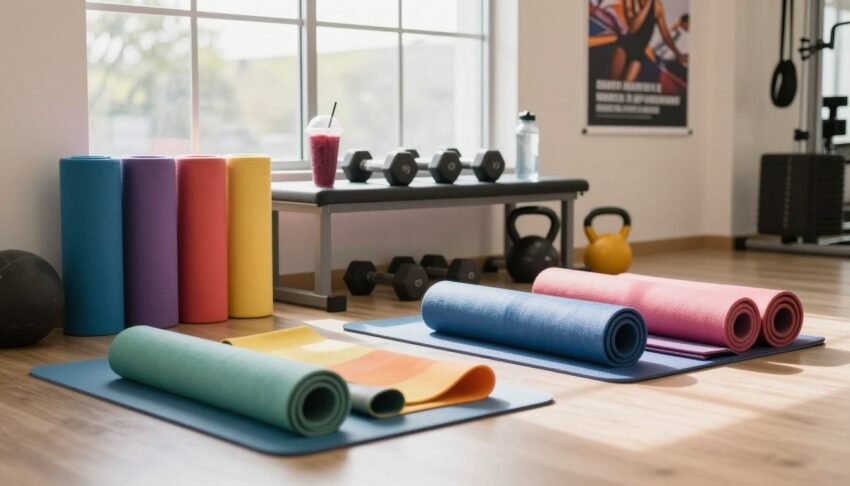
Embracing a holistic approach to fitness is key for overall wellbeing. It’s not just about physical health. It’s about living a lifestyle that feeds both body and mind.
A balanced wellness routine includes regular exercise, healthy eating, and mental health care. By adding these fitness essentials to your life, you can greatly improve your quality of life.
Exploring the different parts of fitness and wellbeing shows us the importance of a complete approach. This is how we achieve a healthier, happier life.
Key Takeaways
- Holistic approach to fitness is essential for overall wellbeing.
- A well-rounded wellness routine includes physical activity, nutrition, and mental health.
- Incorporating fitness essentials can enhance quality of life.
- A complete approach is key to a healthier life.
- Wellness practices contribute to both physical and mental health.
The Fundamentals of Wellness and Health
Starting a wellness journey means understanding health basics. It’s key to know the foundation of being well. This includes setting goals that are realistic and knowing what our bodies need.
Setting Realistic and Achievable Goals
Choosing the right goals is key for success. Realistic goals fit our lifestyle and are achievable. As Jim Rohn said, “What you get by achieving your goals is not as important as what you become by achieving your goals.”
“The greatest wealth is health.” –
Short-term vs. Long-term Objectives
It’s important to know the difference between short-term and long-term objectives. Short-term goals give us quick motivation. Long-term goals guide us forward. For example, losing 5 pounds in a month is short-term. Losing 20 pounds in 6 months is long-term.
Tracking Your Progress Effectively
Keeping track of our progress is key. Using a fitness tracker or a journal helps us see how far we’ve come. As Albert Einstein said, “Not everything that counts can be counted, and not everything that can be counted counts.”
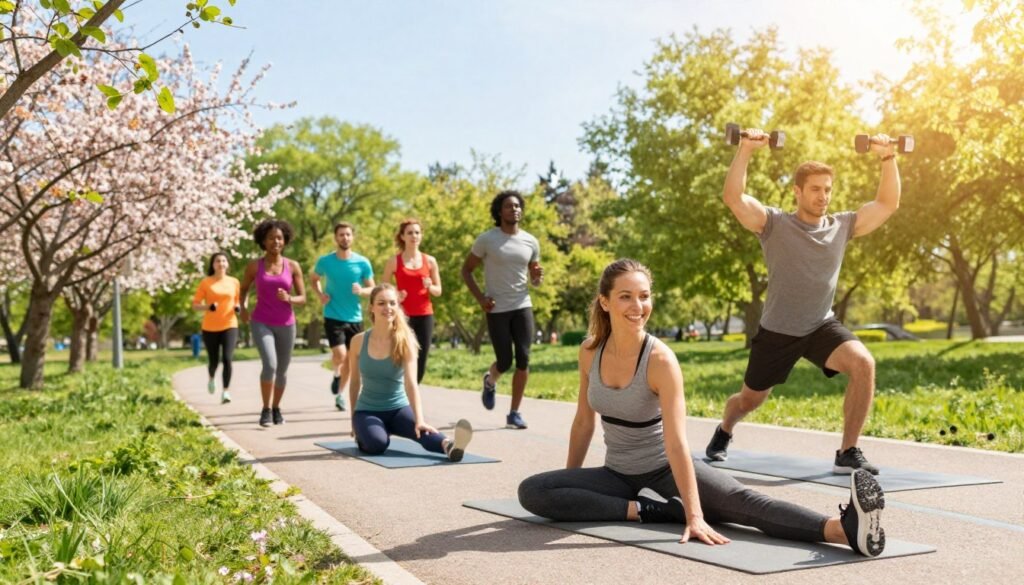
Understanding Your Body’s Unique Needs
Every body is different, needing its own nutrition and exercise. Knowing these needs is essential for a good wellness plan. It’s about finding what works for you and sticking to it.
By focusing on our unique health needs and setting reachable goals, we can start a successful wellness journey. As we move forward, it’s important to stay flexible and adjust our plans as needed.
Essential Fitness Equipment for Home Workouts
To reach your fitness goals at home, getting the right workout gear is key. The right tools make your workouts better and keep you motivated.
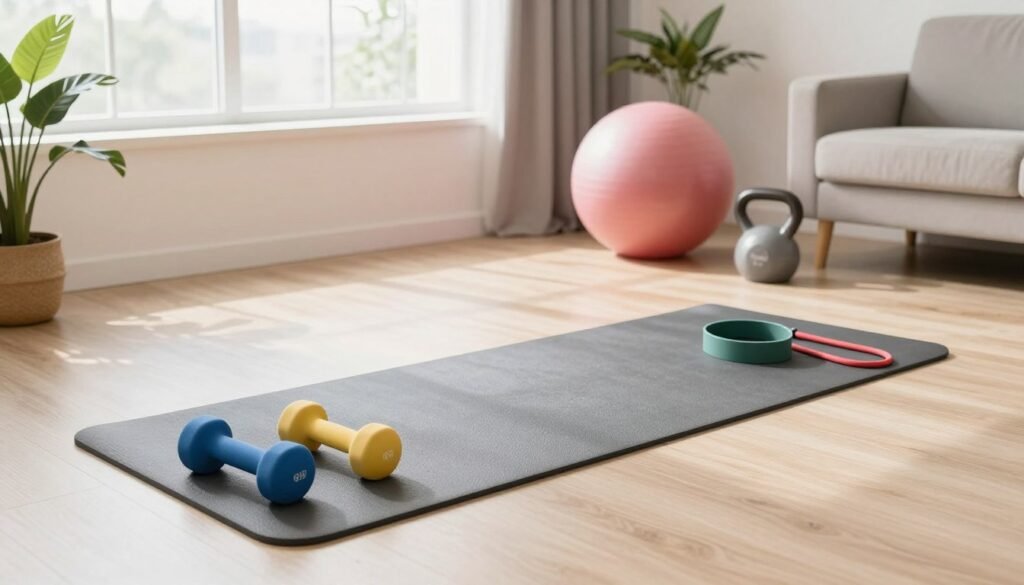
Resistance Training Must-Haves
Resistance training is key for any workout. It builds strength, grows muscle, and boosts your metabolism.
Dumbbells, Kettlebells, and Resistance Bands
Dumbbells and kettlebells are great for many exercises, like squats and presses. Resistance bands are light, easy to carry, and perfect for beginners or those who prefer low-impact workouts.
Bodyweight Training Accessories
For bodyweight exercises, tools like pull-up bars and adjustable benches are great. They add challenge and target different muscles.
Cardio Equipment Worth the Investment
Cardio is key for heart health and burning calories. The right cardio gear makes home workouts more fun.
Space-Efficient Cardio Options
If you have little space, foldable treadmills and compact ellipticals are perfect. They offer great cardio without using too much room.
High-Intensity Interval Training Tools
HIIT tools like jump ropes and agility ladders are great for intense workouts. They’re affordable, easy to carry, and versatile.
“The right equipment can transform your home workout experience, making it more enjoyable and effective.” – Fitness Expert
Creating a Functional Workout Space
Creating a good workout space is more than just buying gear. It’s about making a space that’s safe, motivating, and fits your fitness goals.
By choosing the right equipment and setting up a functional space, you can elevate your home workouts.
Nutrition Fundamentals for Peak Performance
To get the most out of your workouts, knowing the basics of nutrition is key. Nutrition is vital for your performance and health. As Dr. John Berardi, a renowned exercise physiologist, once said, “Nutrition is the foundation upon which fitness success is built.”
“You can’t out-train a bad diet.”
Macronutrients and Their Impact on Energy
Macronutrients are the base of a good fitness diet. They give you energy, help with recovery, and fix body tissues. Knowing how each macronutrient works is important for better workouts.
Protein Requirements for Muscle Recovery
Protein is key for muscle repair and growth. Eating enough protein after working out helps fix muscle fibers. This boosts strength and endurance. How much protein you need depends on your weight and how active you are.
Carbohydrates and Fats for Sustained Energy
Carbs are your main energy source, best for intense workouts. Fats are important for longer, less intense activities. Finding the right balance of carbs and fats keeps your energy up during your workout.
Hydration Strategies Before, During, and After Exercise
Staying hydrated is essential for fitness. Drinking enough water before, during, and after exercise helps your body work best. Not drinking enough can lower your performance and increase injury risk.
As National Academy of Sports Medicine suggests, “Adequate hydration is essential for maintaining physical performance and preventing dehydration-related issues.”
Meal Timing to Maximize Workout Results
When you eat can affect your workout results. Eating a balanced meal with the right nutrients before and after can improve your performance and help you recover. It’s about finding the right timing that suits your body.
By understanding and using these nutrition basics, you can improve your fitness journey. You’ll see better workout results and overall health.
Creating Your Personalized Fitness Routine
Creating a fitness routine that fits your life is key to reaching your wellness goals. A good routine helps you meet your goals and keeps you motivated. It makes your fitness journey fun and rewarding.
Balancing Different Types of Exercise
A good fitness routine mixes different exercises for total fitness. This mix prevents plateaus and injuries from overuse.
Strength Training Fundamentals
Strength training is vital for any fitness plan. It uses resistance to build muscle and boost endurance. You can do it with bodyweight exercises, free weights, or resistance bands.
Cardiovascular and Flexibility Work
Cardio exercises like running, cycling, or swimming are important for heart health and calorie burn. Flexibility exercises, like stretching and yoga, improve range of motion and lower injury risk.
Progressive Overload: The Key to Improvement
Progressive overload means slowly increasing weight or intensity to challenge muscles. It’s essential for improving in your fitness routine and reaching strength and endurance goals.
To use progressive overload, increase the weight, reps, or reduce rest time. This keeps your muscles challenged, leading to strength and fitness gains.
Recovery Protocols and Rest Day Activities
Recovery is vital in any fitness routine. Enough rest and recovery make muscles stronger over time. Rest days are key to avoiding burnout and injury.
On rest days, do light stretching, foam rolling, or a gentle walk. These activities help your body recover and get ready for the next workout.
Modern Fitness Technology and Wearables
Modern fitness technology and wearables are key for those looking to improve their fitness. They help track daily activity and offer deep insights into workout performance.
Smart Watches and Activity Trackers
Smart watches and activity trackers are favorites among fitness enthusiasts. They come with features like heart rate monitoring, GPS, and alerts. A recent survey shows a 50% increase in wearable use, proving their value in fitness.
Features Worth Paying For
When picking a smart watch or tracker, consider important features. GPS is key for tracking distance in outdoor activities. Water resistance is also vital for those who work out in water or sweat a lot.
Using Data to Improve Performance
The data from these devices is priceless for improving workouts. By tracking heart rate, pace, and calories, you can fine-tune your training. Fitness expert John Smith says, “using data can greatly enhance performance and fitness.”
Mobile Applications for Workout Guidance
Mobile apps add another layer to fitness tech, with guided workouts and nutrition advice. Apps like Nike Training Club and MyFitnessPal are essential for many. They offer structured plans and tracking that work with wearables.
Virtual Training Platforms and Communities
Virtual training platforms and online communities are gaining traction. They let users join live or recorded workouts, connect with others, and access training resources. These digital spaces are vital for supporting fitness journeys as fitness evolves.
The Science of Fitness and Exercise
Knowing the science behind fitness and exercise is key to getting the most out of workouts. Exercise science looks at how our bodies change when we exercise. It covers things like how we use energy, hormone changes, and how we adapt to different exercises.
Understanding Metabolic Processes
Metabolic processes are how our bodies use energy when we exercise. Metabolism breaks down nutrients to make energy for our muscles. There are two main types: aerobic and anaerobic.
Aerobic vs. Anaerobic Exercise
Aerobic exercises, like jogging or cycling, need oxygen to work. Anaerobic exercises, like sprinting or weightlifting, don’t need oxygen. Knowing the difference helps us choose the right exercises for our goals.
The Afterburn Effect and EPOC
The afterburn effect, or EPOC, is when our bodies use more oxygen after exercise. This makes our metabolism higher, helping us burn more calories. EPOC is bigger after intense workouts, which is good for burning calories.
Hormonal Responses to Different Workout Types
Exercise sets off different hormonal responses that affect fitness. For example, weightlifting boosts testosterone and growth hormone, helping muscles grow. Aerobic exercise, on the other hand, affects hormones related to energy and endurance.
Age-Related Considerations for Exercise Selection
As we get older, our bodies react differently to exercise. Older people might need to choose lower-impact exercises to stay fit and mobile. This helps them keep their fitness and movement skills.
Performance Apparel and Proper Gear
The right performance apparel and gear can really boost your fitness. The fitness world has grown a lot. Now, there’s special clothing and equipment to help you perform better, feel more comfortable, and enjoy your workouts more.
Technical Fabrics and Their Benefits
Technical fabrics are key in performance apparel. They help keep you dry and comfy by wicking away moisture and being breathable. Big names like Nike and Under Armour lead in making these fabrics. They offer a variety of clothes for different workouts.
Footwear Selection for Different Activities
Picking the right footwear is important for doing well and staying safe. Each activity needs shoes that offer the right support and cushioning.
Running Shoes vs. Training Shoes
Running shoes are made for moving forward and have lots of cushioning. Training shoes are for side-to-side movements and give more support for your ankles. Knowing the difference helps you choose the best shoe for your routine.
Specialized Footwear for Specific Sports
Some sports need specialized footwear. For example, trail running shoes have deep treads for better grip on rough paths. Basketball shoes have high tops for ankle support. The right shoes can improve your game and lower injury risks.
Seasonal Considerations for Outdoor Training
When you train outside, think about the season and pick your apparel and gear wisely. In cold weather, wear warm layers to stay warm. In hot weather, choose light, breathable clothes to stay cool. Changing your gear with the seasons can make a big difference in how you feel and perform.
Mental Wellness Through Fitness
Exercise and mental health are closely linked. Regular workouts can lower stress, boost mood, and sharpen the mind. Let’s dive into how exercise helps our mental health.
Exercise as a Stress Management Tool
Exercise is great for managing stress. It releases endorphins, which fight anxiety and depression. Adding exercise to your day can help your mental health.
Building Discipline and Consistency Habits
Creating a regular exercise routine takes discipline. This discipline can improve other life areas. Setting and reaching fitness goals boosts confidence and mental health.
Mindfulness Practices to Enhance Performance
Mindfulness, like meditation, can make exercise better. It improves focus and lowers stress.
Breathing Techniques During Exercise
Right breathing during workouts can make you perform better and feel less stressed. Diaphragmatic breathing is key for better oxygen use and heart rate control.
Visualization for Better Results
Visualization helps athletes perform better. It builds confidence and prepares them mentally for challenges.
Adding mindfulness to your workout routine can improve your mental health. It leads to a more balanced life.
Conclusion: Sustaining Your Wellness Journey
Starting a fitness journey is just the first step. What really matters is keeping it going. You’ve learned that fitness is more than just working out. It’s also about eating right, taking care of your mind, and using the right gear.
To keep going on your wellness path, stay true to your goals. Be patient with how fast you progress. Celebrate every small win, and don’t get too down when things don’t go as planned.
By following the tips in this article, you’re on your way to a balanced, healthy life. Keep your eyes on your fitness goals. Remember, every step you take brings you closer to a happier, healthier you.