

Your hormones are powerful chemical messengers that control nearly every aspect of your well-being. They influence your mood, energy, appetite, and even your metabolism. When these hormone levels are in sync, your body functions smoothly.
Modern lifestyles and dietary patterns can easily disrupt your delicate hormonal environment. Stress, poor nutrition, and aging all contribute to this imbalance. The good news? Simple adjustments to your daily routine can make a significant difference.
Taking control of your health starts with understanding how these systems work together. This knowledge empowers you to make choices that support your body’s natural rhythms.
Key Takeaways
- Hormones act as chemical messengers affecting mood, metabolism, and overall health
- Hormonal balance is crucial for maintaining optimal physical and emotional well-being
- Modern lifestyle factors and aging can disrupt your natural hormone production
- Dietary choices and daily habits significantly impact your hormonal environment
- Simple lifestyle adjustments can help restore and maintain hormonal harmony
- Understanding your body’s signals is the first step toward better hormonal health
- Proactive hormone management supports both immediate and long-term wellness
Understanding Hormonal Balance and Its Importance
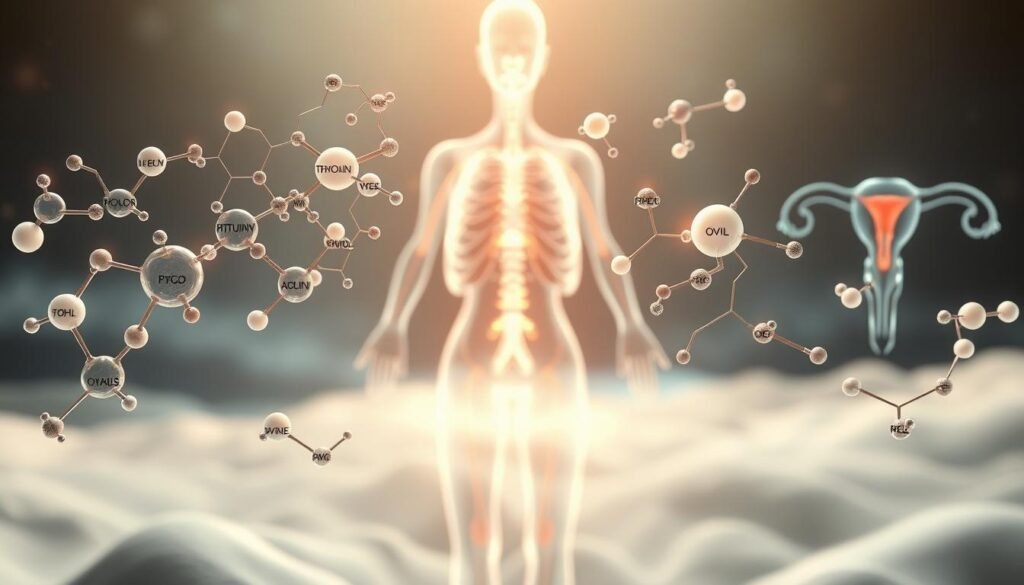
Even minute quantities of these biochemical substances can trigger profound physiological responses. Your endocrine system coordinates this delicate symphony through specialized glands.
What Are Hormones and Why Do They Matter?
Your body’s endocrine glands—including the pituitary, thyroid, adrenal, and others—produce these vital messengers. Each gland creates specific compounds that regulate different functions.
These substances influence everything from your metabolism to your mood. Even microscopic amounts can create significant changes in how you feel and function daily.
“Hormones are the body’s chemical messengers, traveling through the bloodstream to tissues and organs.”
The system works constantly to maintain equilibrium. When this balance shifts, it can affect your overall health and wellness.
Common Signs of Hormonal Imbalance in Women
Many women experience subtle signals that their internal chemistry needs attention. Recognizing these signs early can help address issues before they escalate.
- Unexplained weight changes or metabolic resistance
- Persistent fatigue and energy fluctuations
- Mood swings, anxiety, or depressive feelings
- Sleep disturbances and temperature sensitivity
- Changes in hunger, thirst, or urinary frequency
- Skin issues like acne, dryness, or darkening
- Menstrual irregularities and decreased libido
These symptoms often indicate underlying imbalances that affect quality of life. They may signal various conditions or disorders requiring attention.
Key Hormones Affecting Women’s Health
Several hormones play particularly important roles in women’s physiology. Understanding these can help you recognize when something might be off.
Cortisol manages your stress response and energy levels. Imbalances here can disrupt sleep patterns and blood sugar regulation.
Estrogen and progesterone regulate menstrual cycles and reproductive health. Their fluctuations throughout life stages create natural changes.
Thyroid hormones control metabolic rate and energy production. They influence weight management and overall vitality.
These hormones work together in complex relationships. Their harmony supports everything from bone health to emotional wellbeing.
Life transitions like puberty, pregnancy, and menopause bring natural hormonal shifts. Your diet and lifestyle choices significantly impact how you navigate these changes.
Nutrition Fundamentals for Hormone Health
What you put on your plate directly influences your body’s chemical messengers. Smart food choices create the building blocks your endocrine system needs to function optimally.
Every meal presents an opportunity to support your internal balance. The right combination of nutrients can significantly impact how you feel throughout the day.

The Power of Protein at Every Meal
Protein provides essential acids that your body cannot produce independently. These compounds are crucial for creating peptide hormones that regulate numerous functions.
Consuming adequate protein decreases hunger signals while stimulating fullness hormones. This natural regulation helps manage appetite without constant calorie counting.
Experts recommend 25-30 grams per meal from quality sources. Eggs, chicken breast, lentils, and fish offer excellent options for daily intake.
This approach may help prevent weight fluctuations often associated with hormonal imbalance. Consistent protein consumption supports stable energy levels too.
Incorporating Healthy Fats for Hormone Production
Don’t fear dietary fats – your body needs them for hormone creation. These lipids serve as fundamental building blocks for various chemical messengers.
MCTs and omega-3s offer particular benefits for endocrine function. They support insulin sensitivity and can reduce insulin resistance over time.
Healthy fats also influence cortisol response and stress management. Including them in meals promotes better adaptation to daily challenges.
These nutritional components help balance your internal chemistry naturally. They contribute to long-term wellness when consumed regularly.
Fiber’s Role in Regulating Insulin and Fullness Hormones
Fiber acts as a natural regulator for insulin response. It slows digestion, preventing rapid blood sugar spikes that disrupt harmony.
Both soluble and insoluble varieties contribute to this beneficial effect. Soluble fiber particularly influences appetite and satisfaction after eating.
This nutrient stimulates hormones that signal fullness to your brain. You feel satisfied longer, reducing the urge for unnecessary snacking.
Increased fiber intake may help improve metabolic markers over time. It’s a simple strategy that offers multiple benefits for internal balance.
Combining protein, healthy fats, and fiber creates meals that support optimal function. This nutritional foundation helps maintain your body’s natural rhythms.
Strategic Dietary Approaches
Your food choices create powerful effects on your internal chemistry. Specific eating patterns can address particular concerns you might notice.
Targeted nutrition offers a practical way to support your body’s systems. These approaches work with your natural rhythms.

Foods to Support Cortisol Balance
Chronic stress creates changes in your cortisol levels. Certain foods help moderate this response naturally.
Omega-3 rich choices like salmon and tuna offer anti-inflammatory benefits. Blueberries and dark chocolate provide antioxidants that combat stress effects.
Leafy greens and turmeric support your body’s adaptation mechanisms. These foods help manage daily challenges more effectively.
Limit alcohol and caffeine when addressing cortisol concerns. These beverages can increase stress hormone production.
Nutrients for Thyroid Hormone Function
Your thyroid requires specific building blocks for optimal performance. Several key nutrients support this vital gland.
Iodine from iodized salt and seaweed helps create thyroid hormones. Selenium from Brazil nuts assists with hormone activation.
Iron and zinc from animal proteins support overall thyroid health. Vitamin D from milk and eggs contributes to proper function.
Ensure adequate calorie intake for thyroid hormone production. Severe restriction can disrupt your metabolic rate.
Building Meals for Stable Blood Sugar
Combining macronutrients prevents rapid blood sugar spikes. This approach supports insulin sensitivity over time.
Include protein, fiber, and healthy fats at each eating occasion. This combination slows digestion and promotes gradual glucose release.
Such meals help prevent energy crashes and cravings. They support sustained vitality throughout your day.
This eating pattern may reduce risk of metabolic disorders. It represents a proactive approach to wellness.
These dietary strategies address multiple systems simultaneously. They work together to create comprehensive support for your wellbeing.
Natural ways to balance female hormones through exercise
Physical activity creates powerful shifts in your body’s communication systems. Regular movement enhances how your cells respond to chemical messengers.
Exercise offers a practical approach to support your endocrine function. It works with your body’s natural rhythms to create positive changes.

How Physical Activity Improves Insulin Sensitivity
Movement directly influences how your cells respond to insulin. This effect occurs regardless of weight changes or body composition.
Exercise increases hormone receptor sensitivity throughout your body. It enhances nutrient delivery to cells that need energy.
Regular activity reduces insulin levels while improving sensitivity. This dual effect helps prevent metabolic issues over time.
These benefits support long-term health and wellness. They represent a proactive approach to internal balance.
Best Exercise Types for Hormone Balance
Different movement styles offer unique benefits for endocrine function. Variety in your routine supports comprehensive wellness.
High-intensity interval training challenges your metabolic systems. It may help improve insulin response and energy utilization.
Strength training builds muscle that naturally regulates glucose. This activity supports metabolic health and functional capacity.
Cardiovascular exercise enhances circulation and nutrient delivery. It supports overall system function and vitality.
Regular walking provides accessible benefits for many people. It can increase key hormone levels and improve quality of life.
Incorporating Movement into Daily Life
Consistency matters more than intensity for long-term benefits. Regular activity creates sustainable improvements in function.
Find movement styles that fit your schedule and preferences. Enjoyable activities are easier to maintain over time.
Start with small changes that feel manageable. Short walks or brief strength sessions make a difference.
Build gradually as your fitness and confidence improve. Listen to your body’s signals about appropriate intensity.
These practical approaches support rather than stress your systems. They represent sustainable paths to better health.
Stress Management Techniques
Your daily stress response plays a crucial role in maintaining internal harmony. When managed effectively, it supports rather than disrupts your body’s natural rhythms.
Modern life creates constant demands that can overwhelm your systems. Learning practical techniques helps you navigate these challenges while supporting wellness.
Understanding the Cortisol-Stress Connection
Cortisol serves as your body’s primary stress response hormone. It helps you cope with demanding situations and long-term pressures.
Chronic stress impairs natural feedback mechanisms. This keeps cortisol elevated beyond healthy levels.
Elevated cortisol stimulates appetite and increases cravings. People often reach for sugary and high-fat foods during stressful periods.
This pattern can create weight management challenges over time. It represents one way stress affects multiple systems.
Daily Practices to Lower Stress Hormones
Simple activities can significantly reduce stress hormone production. Even five minutes daily makes a noticeable difference.
Deep breathing exercises calm your nervous system quickly. They signal safety to your brain and body.
Mindfulness practices help break the cycle of stressful thoughts. They bring attention back to the present moment.
Gentle movement like stretching or walking reduces tension. It also supports better circulation and oxygen flow.
Creating a Sustainable Stress-Reduction Routine
Consistency matters more than intensity for stress management. Small daily practices work better than occasional intense efforts.
Choose activities that fit naturally into your existing routine. This makes them easier to maintain long-term.
Experiment with different techniques to find what works for you. Personal preference increases compliance and effectiveness.
Remember that stress management supports multiple hormonal systems. It contributes to overall balance and wellness.
These approaches help prevent the negative effects of chronic stress. They support your body’s natural ability to maintain harmony.
Sleep’s Critical Role in Hormone Regulation
Restorative slumber serves as your body’s nightly maintenance program for endocrine function. During these quiet hours, your systems perform essential repairs and resets that daytime activity prevents.
This nightly process directly influences your next day’s energy, appetite, and emotional stability. Understanding this connection helps you prioritize quality rest.
How Sleep Affects Key Hormones
Insufficient rest creates measurable changes in multiple chemical messengers. Research shows poor sleep quality links directly to imbalances in insulin, cortisol, and growth hormones.
Your brain requires uninterrupted sleep to complete all five stages properly. Deep sleep phases particularly support growth hormone release that occurs mainly at night.
These nightly processes affect appetite regulation too. Sleep deprivation disrupts leptin and ghrelin levels, often leading to increased hunger.
“Sleep is the golden chain that ties health and our bodies together.”
Seven hours represents the minimum recommendation for most adults. This duration allows your body to complete essential hormonal maintenance.
Foods That Support Natural Melatonin Production
Certain dietary choices can enhance your body’s sleep-wake cycle naturally. These foods provide building blocks for melatonin production.
Tryptophan-rich options include dairy products, nuts, bananas, eggs, and various seeds. Magnesium sources like nuts, milk, and leafy greens also support relaxation.
Specific foods show particular promise for melatonin support:
- Tart cherries and cherries contain natural melatonin
- Fatty fish provide omega-3s that may improve sleep quality
- Whole grains offer magnesium for muscle relaxation
- Legumes and tofu contain sleep-supporting nutrients
Incorporating these foods into evening meals may promote better rest. They work with your body’s natural rhythms rather than against them.
Creating an Ideal Sleep Environment
Your bedroom setup significantly impacts sleep quality and hormonal balance. Simple adjustments can make substantial differences in how you rest.
Temperature control matters for optimal sleep conditions. Most people sleep best in slightly cool environments around 65-68°F.
Light exposure directly affects melatonin production. Complete darkness supports your natural sleep-wake cycle most effectively.
Consider these environmental factors for better rest:
- Blackout curtains to eliminate light pollution
- White noise machines to mask disruptive sounds
- Comfortable, supportive bedding for physical relaxation
- Electronic-free zones to reduce blue light exposure
These practical lifestyle adjustments support your body’s innate wisdom. They create conditions where hormonal harmony can flourish naturally.
Gut Health and Hormone Connection
Your digestive system does more than process food. It houses a complex ecosystem that directly communicates with your endocrine system. This relationship influences how your body manages energy, appetite, and metabolic processes.
Research reveals fascinating connections between your microbiome and hormonal health. The gut contains over 100 trillion bacteria that produce metabolites affecting various systems.
The Gut-Hormone Axis Explained
Your microbiome regulates hormones by modulating insulin sensitivity and fullness signals. This bidirectional communication system affects multiple aspects of your wellbeing.
Gut bacteria produce short-chain fatty acids that influence:
- Insulin response and blood sugar regulation
- Appetite hormones like leptin and ghrelin
- Inflammatory markers that affect overall health
- Metabolic rate and energy utilization
This intricate relationship means gut imbalance can create hormonal changes. Supporting your microbiome supports your entire endocrine system.
Foods That Support a Healthy Microbiome
Certain dietary choices promote beneficial bacteria growth. These foods create an environment where your microbiome thrives.
Focus on incorporating these gut-friendly options:
- Fermented foods like yogurt, kefir, and kimchi
- High-fiber vegetables and whole grains
- Polyphenol-rich foods like berries and dark chocolate
- Prebiotic foods including garlic, onions, and asparagus
These nutrients help maintain diverse bacterial populations. Diversity supports robust communication with your hormonal systems.
Avoiding Gut Disruptors That Affect Hormones
Some common diet and lifestyle factors can harm your microbiome. Recognizing these helps you make better choices.
Added sugars particularly disrupt gut health and hormonal balance. Sugar-sweetened beverages represent the primary source in Western diets.
Fructose intake has increased dramatically since 1980. It promotes insulin resistance independent of calorie intake or weight changes.
Other common disruptors include:
- Artificial sweeteners and preservatives
- Chronic stress and sleep deprivation
- Certain medications when used long-term
- Low-fiber processed foods
Minimizing these factors supports both gut and hormonal health. Small adjustments create significant improvements over time.
Your daily choices either support or challenge this delicate system. Understanding this connection empowers better decisions for your wellbeing.
Lifestyle Factors for Long-Term Balance
Your daily choices create a foundation for lasting wellness. Small, consistent habits support your body’s natural ability to maintain harmony.
These practical approaches work together to create comprehensive support. They address multiple systems while fitting into your routine.
Maintaining a Moderate Weight for Hormone Health
Weight management plays a crucial role in your endocrine function. Extra pounds can create changes in how your body responds to insulin.
This imbalance often leads to insulin resistance over time. It represents a significant risk factor for metabolic disorders.
Eating within your personal calorie range supports stable levels. This approach helps prevent the development of complications.
Weight loss improves insulin sensitivity for many people. It reduces diabetes and heart disease risk significantly.
Environmental Considerations and Toxin Reduction
Modern life exposes us to numerous environmental factors. Some compounds can disrupt your endocrine system’s delicate balance.
These substances may affect your thyroid function and reproductive health. Reducing exposure supports your overall wellbeing.
Consider these practical steps for toxin reduction:
- Choose glass containers over plastic for food storage
- Select natural cleaning products without harsh chemicals
- Filter drinking water to remove potential contaminants
- Opt for organic produce when possible to reduce pesticide exposure
These simple lifestyle adjustments may help protect your hormonal balance. They represent proactive choices for long-term wellness.
When to Seek Professional Medical Advice
Self-care strategies work well for many people. Sometimes professional guidance becomes necessary for optimal results.
Persistent symptoms might indicate underlying conditions requiring attention. A doctor can provide proper diagnosis and treatment options.
Consider consulting specialists like Women for Women OB/GYN. They offer comprehensive care throughout life’s changes.
These professionals provide various diagnostic tools:
- Bone densitometry for assessing bone health
- Gynecological sonography for reproductive system evaluation
- Four-dimensional ultrasound for detailed imaging
- Wellness consultations for personalized health plans
“Professional guidance ensures you receive appropriate care for your unique needs.”
Seek help if you experience severe symptoms affecting daily life. Proper medical support may also prevent complications from developing.
Your health journey benefits from both self-care and professional support. This combination offers the best path toward lasting balance.
Conclusion
The path to endocrine harmony combines multiple lifestyle approaches that work synergistically for comprehensive wellness. Consistency with these practices matters more than perfection for lasting results.
Small, sustainable changes create significant improvements in how you feel. Personalized approaches respect that hormonal needs vary among women.
The Mediterranean diet, rich in whole grains and fish, supports this balance beautifully. It may help reduce certain health risks while nourishing your body.
Celebrate progress and know when to seek additional support from healthcare providers. Your journey toward optimal function represents lifelong self-care.