
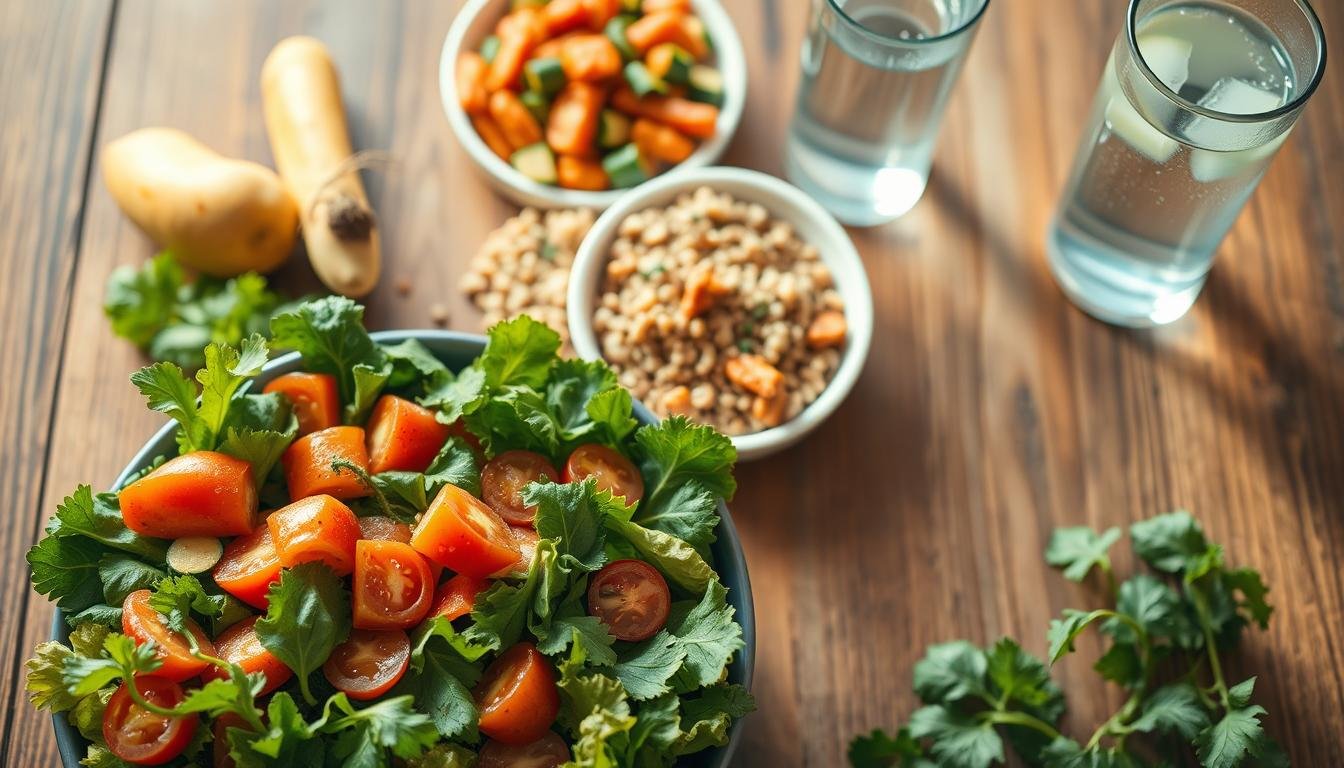
Eating well doesn’t mean giving up flavor or feeling hungry. This guide shows you how to enjoy tasty food while supporting your wellness goals.
Always talk with your doctor before making big changes to your diet. They can help you find the best way for your body.
We will explore 16 fantastic foods and meal ideas. These options focus on whole foods like lean proteins, fresh veggies, and fruits.
These ingredients help you feel full and give your body important nutrients. You will discover breakfast choices, satisfying salads, protein-packed mains, and global flavors.
Keeping your meals exciting and varied is key to long-term success. This journey is about balance and enjoyment, not cutting out all your favorites.
We invite you to explore these recipes with a positive mindset. Get ready to feel more energized and vibrant!
Key Takeaways
- Consult a healthcare professional before starting any new eating plan.
- Focus on whole foods like lean proteins, vegetables, and fruits for fullness and nutrition.
- Enjoy a variety of flavors to maintain long-term dietary enjoyment.
- Discover 16 key foods and meal ideas to support a sustainable wellness journey.
- Eating well is about balance and enjoyment, not deprivation.
- Meals should be both delicious and nutritious to support overall health.
- Approach your dietary changes with a positive and open mindset.
Why the Right Foods Are Key for Healthy Weight Management
Choosing what you eat plays a huge role in how your body feels and functions. The right selections can make your wellness journey both effective and enjoyable.
Understanding Satiety: Protein, Fiber, and Healthy Fats
Feeling full after eating is crucial. It helps you avoid extra snacks and overeating.
Protein is a superstar for satiety. A 2020 study found that people who ate eggs for breakfast felt fuller for hours compared to those who had cereal.
Fiber adds bulk to your meals. It slows digestion and keeps you satisfied longer.
Healthy fat sources like avocados and nuts also slow digestion. They enhance meal satisfaction and prevent sudden hunger.
Together, these nutrients work like a team. They promote fullness and reduce the urge to overeat.
Nutrient Density Over Calorie Counting
Focusing only on calories can be misleading. Instead, think about how much nutrition you get from each bite.
Nutrient-dense foods pack more vitamins and minerals per calorie. Examples include leafy greens, lean meats, and legumes.
This approach supports your body‘s needs without excess calories. It improves metabolic health and energy levels.
Shifting your focus to nutrients enhances your overall diet quality. It makes sustainable management feel natural and easier.
Prioritize foods that offer both fullness and nutritional value. This balanced strategy simplifies meal planning and helps you reach your goals.
Start Your Day Right: Powerful Breakfast Options
Your morning meal can be your greatest ally in achieving your wellness goals. It jumpstarts your metabolism and helps regulate hunger throughout the day.
Choosing the right foods in the morning sets a positive pattern for your entire day. This approach supports consistent energy and better food decisions.
The Classic Protein Punch: Egg Scrambles
Egg scrambles deliver a powerful combination of protein and satisfaction. Research shows people who eat eggs for breakfast consume fewer calories later compared to carbohydrate-heavy options.
Adding black beans and peppers creates a double dose of fiber and protein. This combination promotes lasting fullness and stable energy levels.
One study found egg breakfasts led to reduced food consumption compared to bagels. The high-quality protein in eggs helps control appetite naturally.
Prepping ingredients ahead makes morning preparation quick and easy. Chop vegetables the night before for a fast, delicious scramble.
Oatmeal Power Bowls with Nuts and Fruit
Oatmeal bowls offer incredible versatility while delivering sustained energy. They combine whole grains with healthy fats from nuts and natural sweetness from fruit.
Adding walnuts provides an extra 2 grams of fiber and satisfying crunch. This combination helps maintain fullness throughout the morning hours.
Experiment with different fruit combinations to keep your breakfast exciting. Berries, bananas, or apples all work beautifully.
These bowls are low in calories but high in nutritional value. They support your goals without sacrificing taste or satisfaction.
Starting with a nutrient-dense meal helps avoid unhealthy snacking later. It establishes a positive pattern for the entire day.
Leafy Greens: The Ultimate Low-Calorie Base
Leafy greens transform your plate into a nutrient powerhouse. They create volume without adding many calories.
This makes them perfect for building satisfying dishes. You can eat generous portions while supporting your goals.
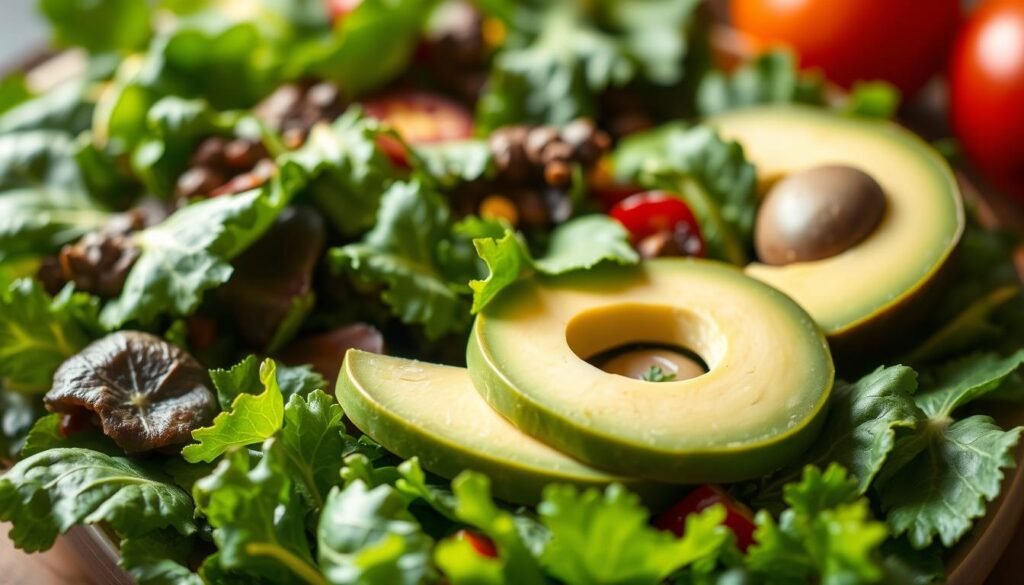
Building a Satisfying Salad with Avocado
A great salad starts with a foundation of dark greens. Add creamy avocado for richness and staying power.
The fat in avocado helps your body absorb vitamins from greens. It also keeps hunger away longer.
Combine with lean protein like grilled chicken or chickpeas. This creates a complete, balanced meal that truly satisfies.
Incorporating Thylakoids from Spinach and Kale
Spinach and kale contain natural compounds called thylakoids. Early research suggests they might help manage appetite.
These greens are packed with fiber and water too. They promote fullness and support digestive health.
Massaging kale with a little olive oil softens it. This simple trick makes this nutritious vegetable more enjoyable.
Try adding greens to smoothies or using large leaves as wraps. It’s an easy way to boost your nutrient intake daily.
These simple strategies make eating well both effective and delicious. Your body will thank you for the nourishment.
Lean Proteins: Chicken and Turkey for Sustained Energy
Incorporating lean meats into your meals delivers lasting satisfaction and vitality. These protein sources keep you feeling full while supporting your body’s natural energy rhythms.
Preparing Perfect Skinless Chicken Breast
Skinless chicken breast offers incredible nutritional value. A single serving provides about 27 grams of high-quality protein for under 150 calories.
This lean meat is low in saturated fat and rich in iron. These nutrients support metabolism and overall wellness.
For juicy, flavorful results, try these cooking methods:
- Baking at 375°F until internal temperature reaches 165°F
- Grilling over medium heat for 6-7 minutes per side
- Sautéing with minimal oil in a non-stick pan
Always let cooked chicken rest for 5 minutes before slicing. This keeps the natural juices locked in.
Spicing It Up: The Benefits of Cayenne and Chili Pepper
Spices transform simple chicken into exciting meals. Cayenne pepper contains capsaicin, a compound with potential benefits.
Research suggests capsaicin may temporarily boost calorie burn. It might also help reduce feelings of hunger between meals.
Try these flavor combinations for your next dinner:
- Moroccan-spiced chicken with cumin and paprika
- Chili-rubbed turkey with garlic powder
- Lemon-herb chicken with rosemary and thyme
Turkey is another excellent lean option. It often contains less fat than chicken and works beautifully in chili or skillet dishes.
Pair these proteins with colorful vegetables for balanced nutrition. This creates meals that satisfy both taste and nutritional needs.
Remember portion control even with healthy choices. A palm-sized serving of meat provides adequate protein without excess calories.
Experiment with different herbs and spices each week. This keeps your meals exciting and prevents flavor fatigue.
Fish and Seafood: Omega-3s for Fat Loss
Fish and seafood bring incredible benefits to your wellness journey through their unique nutritional profile. These water-based foods offer special advantages that land proteins cannot match.
They provide excellent protein content alongside beneficial fats. This combination supports your body‘s needs in multiple ways.
Omega-3 fatty acids in fish may help reduce stored fat and improve metabolic function. Regular consumption supports heart health and overall well-being.
Seafood also contains iodine, which helps maintain proper thyroid function. Your thyroid plays a key role in regulating metabolism.
Simple Baked Salmon Recipes
Salmon stands out as a nutritional superstar. A 3-ounce serving delivers about 17 grams of protein with beneficial fats.
Try this easy preparation method for busy weeknights:
- Preheat oven to 400°F
- Place salmon filet on parchment-lined baking sheet
- Drizzle with olive oil and season with herbs
- Bake for 12-15 minutes until flaky
Pair your salmon with roasted vegetables for a complete dinner. Asparagus or broccoli work particularly well.
These simple recipes require minimal cleanup while delivering maximum nutrition. You’ll enjoy restaurant-quality meals at home.
Sheet-Pan Tilapia with Veggies
Tilapia offers an affordable and mild-tasting option for seafood beginners. Its light flavor accepts seasonings beautifully.
Sheet-pan cooking simplifies meal preparation dramatically. Everything cooks together on one pan for easy cleanup.
Arrange tilapia filets alongside colorful vegetables like bell peppers and zucchini. Season everything with your favorite herbs and spices.
Bake at 375°F for 15-20 minutes until fish flakes easily. You’ll have a balanced dinner ready with minimal effort.
This method preserves nutrients while developing delicious flavors. The vegetables caramelize slightly, adding natural sweetness.
Incorporate fish into your routine 2-3 times weekly for best results. Variety keeps your meals exciting while providing different nutrients.
Experiment with different cooking methods beyond baking. Grilling, poaching, and steaming all work well for seafood.
Remember that fresh, frozen, or canned options all offer nutritional benefits. Choose what works best for your budget and schedule.
The Power of Legumes: Beans and Lentils
Beans and lentils bring incredible value to your table. They offer both nutrition and satisfaction in every bite.
These plant foods provide a special combination of benefits. They support your wellness journey with simplicity and flavor.
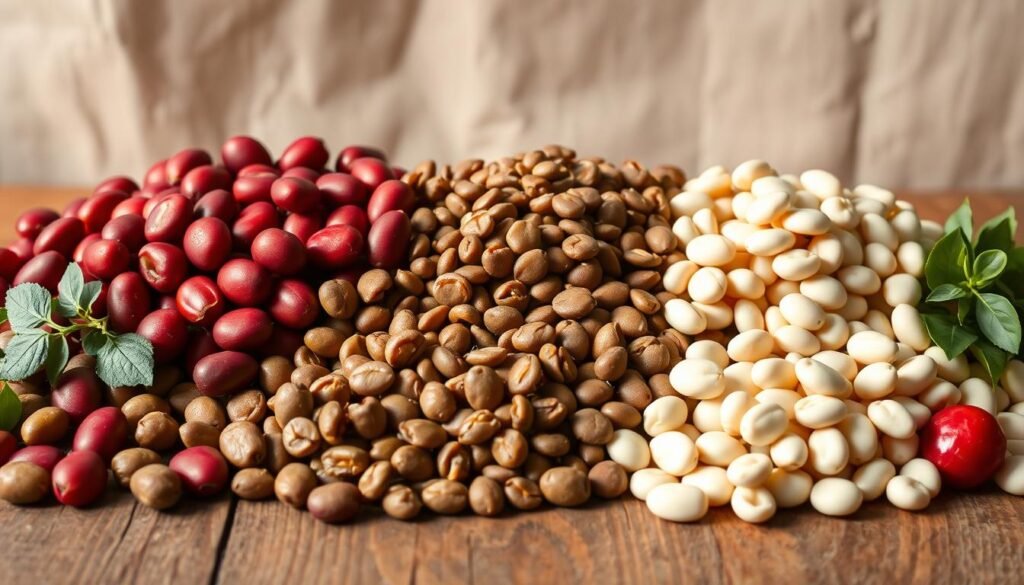
Legumes are packed with fiber and protein. This duo helps you feel full longer and supports digestive health.
They also contain resistant starch when cooled after cooking. Studies suggest this may aid your goals by improving gut function.
Black Beans for Fiber and Protein
Black beans stand out as a nutritional powerhouse. One cup delivers about 15 grams of protein and 15 grams of fiber.
This combination promotes lasting satisfaction after meals. It helps regulate appetite naturally throughout the day.
Try these simple ways to enjoy them:
- Add to vegetable scrambles for breakfast
- Mix into salads for extra substance
- Create quick dinner tacos with fresh toppings
Using canned beans makes preparation effortless. Just rinse them well to reduce sodium content.
Hearty Lentil Soups and Bowls
Lentils transform into comforting dishes that nourish your body. They cook faster than many other legumes.
Their earthy flavor accepts spices beautifully. Try Moroccan seasoning or Italian herbs for variety.
Lentil soups provide warmth and nutrition in one bowl. They’re perfect for meal prepping and busy weeknights.
Combine lentils with vegetables like carrots and celery. Simmer with broth for a satisfying dinner.
These plant-based options work for various eating preferences. They’re budget-friendly and available year-round.
Experiment with different lentil colors and types. Each variety offers slightly different textures and cooking times.
Remember to store cooked legumes properly. They keep well in the refrigerator for several days.
Cruciferous Vegetables: Broccoli, Cauliflower, and More
These powerhouse plants bring remarkable benefits to your table. They transform ordinary dishes into nutrient-packed experiences.
Cruciferous varieties like broccoli and cauliflower offer exceptional value. Their unique composition supports your wellness journey beautifully.
Roasting for Maximum Flavor and Fullness
Roasting works magic on these vegetables. It caramelizes natural sugars, creating deep, satisfying flavors.
This cooking method requires minimal added fat. A light spray of olive oil enhances texture without excess calories.
Try these simple steps for perfect roasted veggies:
- Chop vegetables into even-sized pieces
- Toss with herbs like rosemary or thyme
- Spread on a baking sheet in single layer
- Roast at 400°F until edges turn golden
The high heat creates crispy exteriors with tender interiors. This texture combination increases meal satisfaction significantly.
Roasted cruciferous vegetables promote lasting fullness. Their fiber content slows digestion, helping manage hunger between meals.
Cauliflower Soup: A Creamy, Low-Calorie Comfort Food
Cauliflower transforms into velvety, luxurious soups. Pureeing creates creamy texture without heavy ingredients.
This preparation method cuts calories dramatically. It replaces traditional cream-based soups with lighter alternatives.
Simple seasoning enhances the natural flavors. Garlic, nutmeg, or curry powder add dimension without extra fat.
Try this basic approach for comforting soup:
- Steam cauliflower until very tender
- Blend with vegetable broth until smooth
- Season with your favorite herbs and spices
- Garnish with fresh chives or parsley
This soup provides warmth and nutrition in every bowl. It’s perfect for chilly evenings or quick lunches.
Experiment with different cruciferous varieties. Brussels sprouts, cabbage, and kale all offer unique benefits.
These vegetables support overall health through their nutrient profile. They’re packed with vitamins, minerals, and antioxidants.
Incorporating them into your routine is simple and enjoyable. They work in stir-fries, salads, or as rice alternatives.
Discover new recipes that highlight their versatility. Your taste buds and body will thank you for the variety.
Soup’s On! Using Broth-Based Soups for Fullness
Broth-based soups offer a smart strategy for managing your eating habits. Their high water content creates volume that helps you feel satisfied.
These warm bowls provide comfort while supporting your nutritional goals. They’re perfect for any season and easy to customize.
The 20% Calorie Reduction Strategy
Starting your meal with soup can lead to eating less overall. Research shows this simple step reduces total calorie intake by about 20%.
The warm liquid and vegetables signal fullness to your brain. This natural approach helps control portions without strict counting.
Choose clear, vegetable-based versions over creamy options. Tomato soup or minestrone work beautifully for this strategy.
Adding Beans and Lean Protein to Soup
Boost your soup’s staying power with smart additions. Black beans bring both protein and fiber to the bowl.
This combination enhances satisfaction and nutritional value. You’ll feel fuller longer after enjoying your meal.
Try these simple enhancements:
- Add shredded chicken for lean protein
- Mix in black beans for extra fiber
- Include plenty of colorful vegetables
- Season with herbs instead of salt
Preparing soup at home lets you control ingredients. Use fresh vegetables and low-sodium broth for the best results.
Make a large batch for easy meals throughout the week. Soup freezes well and reheats perfectly for busy days.
Pair your soup with a small salad or whole grain bread. This creates a complete, balanced meal that satisfies.
Experiment with global flavors like Moroccan lentil or Mexican tortilla soup. Variety keeps your meals exciting and enjoyable.
This approach makes eating well both practical and delicious. Your body will appreciate the nourishment and warmth.
Potatoes and Root Veggies: More Than Just Carbs
Many people avoid potatoes when trying to improve their eating habits. This common misconception overlooks their true nutritional power.
When prepared thoughtfully, these humble vegetables become valuable allies. They offer satisfaction and nutrients that support your journey.
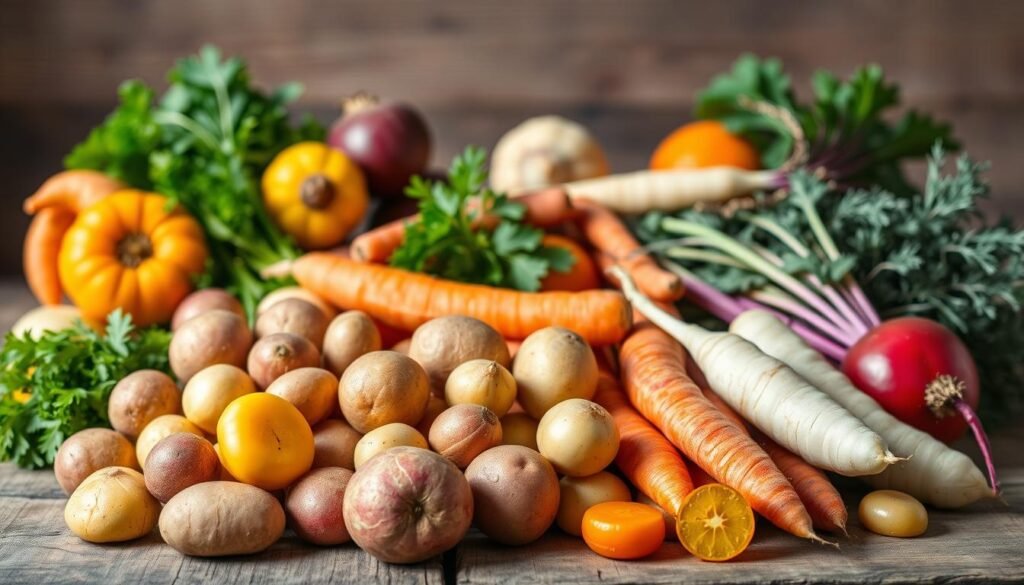
The Satiety Index Winner: Boiled Potatoes
Research reveals boiled white potatoes rank highest on the Satiety Index. This means they keep you feeling full longer than many other foods.
Their natural composition helps control hunger between meals. You’re less likely to reach for unnecessary snacks.
Enjoy them simply boiled with herbs instead of heavy toppings. This preparation maximizes their natural benefits.
The Magic of Resistant Starch
Cooling potatoes after cooking creates resistant starch. This special type of fiber acts differently in your body.
It may support gut health and improve how your system processes food. This natural process adds value to your meals.
Try making potato salad with vinegar and fresh herbs. The cooling time develops this beneficial component.
Other root vegetables like sweet potatoes offer similar advantages. They provide vitamins and fiber with reasonable calories.
Roasting or baking are excellent cooking methods. They create delicious flavors without adding unnecessary fat.
Pair potatoes with proteins and colorful vegetables. This balanced way of eating supports your goals beautifully.
Portion awareness helps you enjoy these foods effectively. A fist-sized serving works well within a complete meal.
Experiment with different varieties and preparations. You’ll discover satisfying options that nourish your body.
Remember that moderation and preparation method make the difference. These versatile vegetables deserve a place on your plate.
Healthy weight loss meals: Building a Complete Plate
Creating satisfying and nourishing dishes involves understanding how different components work together. The right combination keeps you full while providing essential nutrients your body needs.
The Protein + Fiber + Healthy Fat Formula
This powerful trio creates meals that truly satisfy. Each element plays a specific role in promoting fullness and nutrition.
Protein helps maintain muscle mass while keeping hunger at bay. Sources like chicken, fish, and legumes provide lasting energy.
Fiber adds bulk to your meals without extra calories. Vegetables, whole grains, and fruits keep your digestive system happy.
Healthy fat enhances flavor and helps absorb vitamins. Avocado, nuts, and olive oil make meals more enjoyable.
Imagine a grilled chicken breast with quinoa and roasted broccoli. Drizzle with olive oil for a perfectly balanced meal.
“Balancing these three elements creates meals that nourish and satisfy without excess calories.”
Portion Control for Sustainable Loss
Even nutritious foods need mindful portion sizes. These simple strategies help you enjoy food without overeating.
- Use smaller plates to create visual satisfaction
- Measure servings until you recognize proper sizes
- Fill half your plate with vegetables first
- Listen to your body’s hunger signals
This approach reduces the need for strict counting. You’ll naturally eat appropriate amounts while feeling satisfied.
Meal planning makes balanced eating easier during busy weeks. Prepare components ahead for quick assembly.
Variety keeps your meals exciting and nutritionally complete. Rotate protein sources, try new vegetables, and experiment with healthy fats.
This way of eating supports energy levels and prevents nutrient gaps. It creates sustainable habits that last beyond short-term goals.
Remember that building a complete plate is both science and art. Enjoy the process of creating meals that taste great and make you feel fantastic!
Dairy for Dieting: Greek Yogurt and Cottage Cheese
Dairy products offer surprising benefits for your nutrition journey. They provide unique advantages that support your goals while satisfying your taste buds.
These creamy options deliver important nutrients without excess calories. They work beautifully in various meals throughout your day.
Boosting Protein Intake with Dairy
Greek yogurt and cottage cheese pack impressive protein power. A single serving can contain up to 20 grams of this vital nutrient.
This high protein content promotes lasting fullness after eating. It helps control hunger between meals naturally.
Try these simple serving ideas:
- Greek yogurt with fresh berries for breakfast
- Cottage cheese with cucumber slices as a savory snack
- Blended into smoothies for extra creaminess
- As a base for vegetable dips with herbs
Choose plain, unsweetened versions to avoid added sugars. This maximizes the nutritional benefits of these dairy options.
Full-fat varieties can be satisfying in moderation. Some research suggests they might support your goals when enjoyed properly.
The Calcium and Vitamin D Connection
Fortified dairy products provide essential calcium and vitamin D. These nutrients work together to support your body‘s functions.
Studies indicate adequate calcium intake might influence how your system manages fat. It appears to play a role in metabolic processes.
Vitamin D helps your body absorb calcium effectively. This combination supports bone health and overall wellness.
Explore different dairy options for variety. Skyr offers thick texture and high protein content.
Kefir provides probiotic benefits for digestive health. These fermented options add diversity to your routine.
Remember that moderation remains key with any food group. A balanced approach ensures you enjoy benefits without excess.
Dairy products deserve a place in thoughtful eating plans. They offer both satisfaction and nutritional value in every bite.
Smart Snacking: Nuts, Seeds, and Fruit
Between breakfast and dinner, thoughtful snack selections keep your energy steady. Choosing nutrient-dense options helps manage hunger while providing essential vitamins and minerals.
These mini-meals prevent overeating at your next sitting. They maintain stable blood sugar levels throughout your day.
Pistachios and Apples for a Crunchy Treat
Pistachios offer a satisfying crunch with nutritional benefits. They’re lower in calories than many other nuts while providing protein and healthy fat.
Pair them with apple slices for natural sweetness and extra fiber. This combination creates lasting satisfaction between meals.
Try these simple ideas:
- Pre-portion pistachios into small containers
- Slice apples fresh to maintain crispness
- Combine both for a balanced snack
This duo provides texture variety and nutritional balance. The protein from nuts and fiber from fruit work together beautifully.
Chia Seeds in Yogurt for Omega-3s and Fiber
Chia seeds transform ordinary yogurt into a nutritional powerhouse. These tiny seeds expand in liquid, creating a satisfying texture.
They deliver omega-3 fatty acids and substantial fiber content. This combination supports digestive health and promotes fullness.
Create simple chia pudding by mixing seeds with Greek yogurt. Let it sit for 30 minutes to develop creamy consistency.
Add berries or a drizzle of honey for natural sweetness. This makes a perfect afternoon snack or light dessert.
Portion control remains important with energy-dense foods. Pre-measured servings help you enjoy benefits without excess.
Keep these smart options readily available. Prepared snacks make healthy choices effortless during busy days.
Combining protein, healthy fats, and fiber maximizes satisfaction. This approach supports your overall wellness journey beautifully.
Mindful snacking enhances your eating experience. It makes nutritional goals more enjoyable and sustainable long-term.
International Inspiration: Global Healthy Recipes
Exploring world cuisines opens doors to exciting flavors and nutritious dishes. These international creations bring variety and joy to your eating routine.
They prove that delicious food can also support your wellness journey. Global recipes often balance taste and nutrition beautifully.
Vegetarian Black Bean Tacos
Mexican-inspired tacos offer a fun and satisfying dinner option. Using black bean as the main ingredient provides both protein and fiber.
Whole-wheat tortillas add extra nutrition compared to traditional versions. Top with fresh salsa instead of heavy sauces for vibrant flavor.
Try this simple assembly method:
- Warm tortillas in a dry skillet
- Fill with seasoned black beans
- Add shredded lettuce and diced tomatoes
- Finish with a squeeze of lime juice
This meal comes together quickly for busy evenings. It keeps your taste buds happy while supporting your health goals.
Moroccan-Spiced Chicken and Lentil Dishes
North African cuisine showcases how spices transform simple ingredients. Cumin, cinnamon, and paprika create depth without extra calories.
Combine skinless chicken with lentils for a protein-packed stew. Add vegetables like carrots and zucchini for extra nutrition.
Slow cooking allows flavors to develop fully. The aromatic spices make each bite satisfying and interesting.
These global recipes demonstrate how herbs replace high-calorie sauces. They enhance both flavor and nutritional value.
Experiment with different cultural cooking techniques. Stir-frying, steaming, or baking can all create delicious results.
International inspiration prevents dietary boredom. It makes eating well an adventure rather than a restriction.
Remember that balance remains key across all cuisines. Focus on lean proteins, plenty of vegetables, and mindful portions.
Exploring world flavors keeps your routine exciting long-term. You’ll discover new favorites that nourish both body and soul.
Don’t Forget Flavor: Herbs, Spices, and Healthy Sauces
Delicious food keeps your eating routine exciting and sustainable. Using smart flavor enhancers makes every bite satisfying without extra calories.
Herbs and spices transform simple ingredients into culinary adventures. They add excitement while supporting your nutritional goals beautifully.
Using Salsa and Citrus Instead of Creamy Sauces
Swap heavy dressings for vibrant alternatives. Salsa brings zesty flavor with minimal fat and calories.
Fresh citrus juices like lime or lemon add bright notes. They enhance natural flavors without hiding them.
Try these simple ideas for your next meal:
- Grilled chicken with mango salsa
- Steamed vegetables with lemon juice
- Fish tacos with lime crema using Greek yogurt
Homemade versions let you control ingredients. Avoid store-bought sauces with hidden sugars.
These alternatives keep your dishes light and nutritious. Your taste buds will appreciate the fresh, clean flavors.
Coconut Curry for a Flavorful, Low-Calorie Sauce
Coconut curry sauces offer rich taste without heaviness. Use light coconut milk as your base.
Add curry powder, ginger, and garlic for depth. Simmer with vegetables for a satisfying dish.
This cooking method preserves nutrients while developing complex flavors. It makes ordinary ingredients feel special.
Experiment with Thai or Indian spice blends. Each brings unique character to your recipes.
Curries work beautifully with proteins and vegetables. They create complete meals that nourish and delight.
Remember that spices like turmeric offer potential health benefits. They make eating well both delicious and smart.
“Flavorful meals reduce temptation for unhealthy options, making your journey more enjoyable.”
Creating homemade sauces ensures quality ingredients. You avoid unnecessary additives and control sodium levels.
Fresh herbs like basil or cilantro add finishing touches. They bring restaurant-quality presentation to home cooking.
Spices like cayenne pepper might temporarily boost metabolism. They also add heat that satisfies cravings.
Exploring global flavors keeps your routine interesting. Mexican, Thai, and Mediterranean influences offer endless variety.
Eating well never means sacrificing taste. Herbs and spices make every meal a celebration of good food and good health.
Conclusion: Building a Sustainable and Enjoyable Diet
Creating a lasting approach to eating well is about joy and balance. Focus on whole foods, variety, and staying active.
This way of eating supports your body and overall health. It makes your diet something you love, not endure.
Use the recipes and tips shared here. They help make every meal both tasty and nourishing.
Remember, small steps lead to big changes over time. Be patient and kind to yourself on this journey.
Your path to wellness is unique. Celebrate progress and enjoy delicious food every day!