
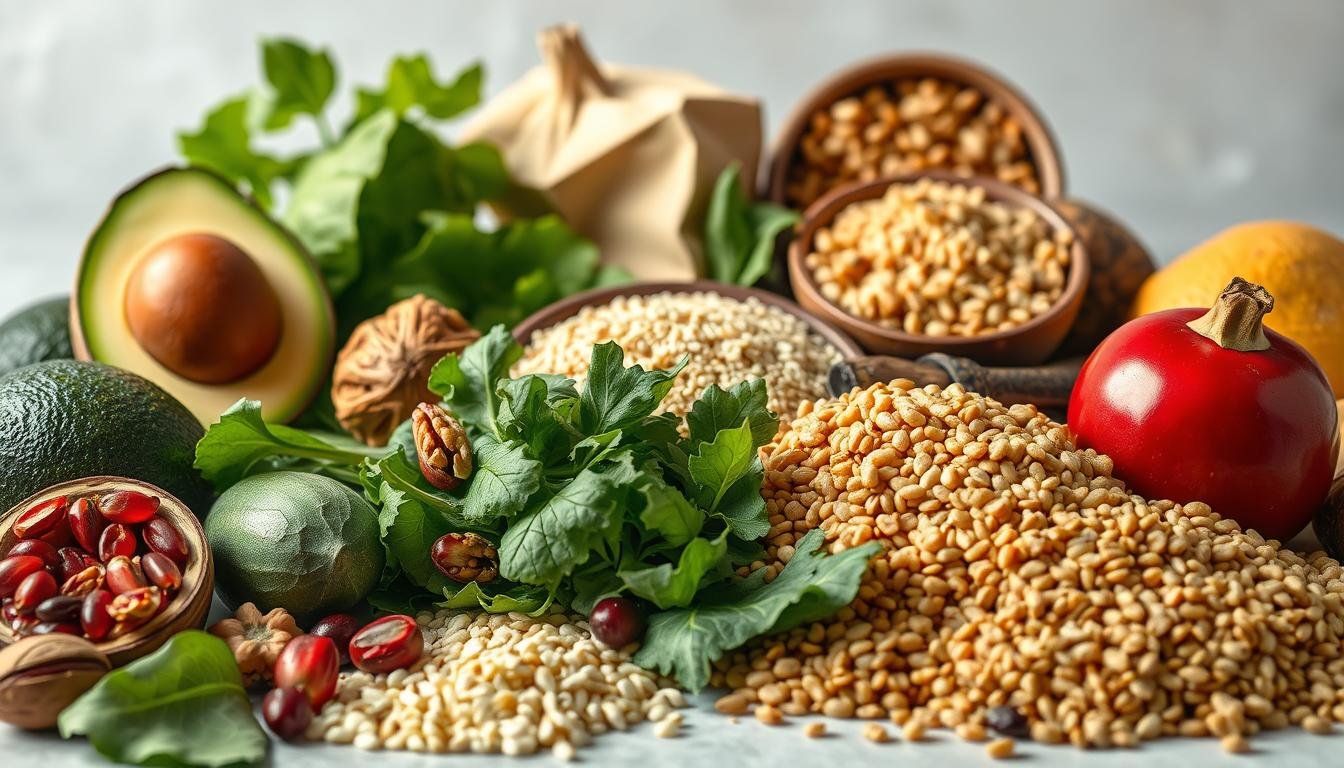
Welcome to your comprehensive guide on how smart dietary choices can naturally enhance reproductive wellness. Many people wonder about the connection between what they eat and their ability to conceive.
Did you know only about 30% of couples achieve pregnancy during their first month of trying? This statistic shows why exploring all natural approaches makes sense. Nutrition plays a powerful role in reproductive outcomes.
This article explores evidence-based nutritional strategies and eating patterns that can make a real difference. We’ll focus on scientifically-backed options rather than quick fixes.
Our approach is friendly and supportive. You’ll discover practical ways to incorporate beneficial ingredients into your daily routine. We believe small, consistent changes create the most lasting impact.
Key Takeaways
- Dietary choices significantly influence reproductive health outcomes
- Only 30% of couples conceive in their first month of trying
- Evidence-based nutrition strategies can improve conception chances
- Practical, daily dietary modifications create sustainable benefits
- This guide focuses on scientifically-supported approaches
- Small consistent changes often yield the best long-term results
- Nutrition works alongside other fertility-enhancing practices
Introduction: Nourishing Your Way to Conception
Many couples embarking on the journey to parenthood discover that reproductive wellness involves more than timing alone. While about 30% achieve pregnancy within the first month, one in four continues trying after a full year. This reality affects at least 50 million people globally.
Overview of Fertility Challenges and Diet
Recent statistics show concerning trends, including a 45% decline in reproductive capacity among young women. Both partners contribute equally to conception challenges. Male factors account for half of all infertility cases.
Common issues include ovulation disorders like PCOS, thyroid conditions, and structural concerns. Environmental factors and stress also play significant roles. While nutrition cannot cure medical conditions, it provides essential support for reproductive function.
Importance of a Holistic Approach
A comprehensive strategy addresses multiple aspects of wellness. This includes dietary choices, lifestyle adjustments, and managing health conditions. Small, consistent changes often yield the most sustainable benefits.
Taking proactive steps with your diet can enhance outcomes even when conception feels challenging. Remember that this is a shared journey where both partners’ health matters equally. Supportive nutrition works alongside other wellness practices.
Understanding Fertility: Diet, Lifestyle, and Reproductive Health

Our bodies’ ability to conceive depends on a complex interplay of nutritional building blocks and lifestyle habits. Research confirms that what we eat directly influences reproductive outcomes for both partners.
Impact of Nutrition on Ovulation and Sperm Quality
Balanced nutrition helps regulate hormonal cycles. This directly affects ovulation patterns in women. Proper nourishment ensures regular menstrual cycles.
For men, dietary choices impact sperm production and motility. Studies show male fertility responds quickly to improved diet. Antioxidant-rich foods protect sperm from damage.
Nutritional deficiencies can contribute to infertility challenges. Adequate intake supports conception and healthy pregnancy.
Key Lifestyle Factors Influencing Fertility
Beyond diet, several lifestyle factors affect reproductive health. Managing stress levels proves crucial for hormonal balance.
Sleep quality and moderate exercise also play significant roles. Overexercising can negatively impact reproductive function.
Specific conditions like PCOS and thyroid issues require special attention. While nutrition cannot cure medical problems, it supports overall wellness.
Environmental factors and age complete the fertility picture. A holistic approach addresses all these elements together.
Foods that Support Fertility in Women
Certain dietary components play a crucial role in creating optimal conditions for reproductive success. These nutritional elements work together to build a foundation for conception.
Antioxidants and Nutrient Rich Picks
Antioxidants serve as powerful protectors for reproductive cells. They combat oxidative stress that can damage eggs and sperm.
These compounds help prevent cellular aging. This protection is vital for maintaining egg quality over time.
Nutrient-dense options provide essential building blocks. They supply vitamins and minerals needed for hormonal balance.
How Specific Foods Enhance Reproductive Health
A varied approach proves more effective than focusing on single superfoods. Different foods contribute unique benefits to reproductive wellness.
Whole grains, legumes, and colorful vegetables offer diverse nutritional profiles. Each contributes specific compounds that aid conception.
Incorporating these elements doesn’t require drastic diet changes. Simple additions to your regular meals can make a significant difference.
Remember that nutritional strategies complement medical guidance. They work alongside professional care for underlying conditions.
Fertility-Boosting Nuts and Seafood for Healthy Reproduction
Nature provides powerful allies in the form of specific nuts and seafood that benefit reproductive health. These natural options offer practical ways to enhance outcomes for both partners.
Walnuts and Their Omega-3 Benefits
Walnuts stand out among nuts for their remarkable reproductive benefits. They’re rich in omega-3 fatty acids and vitamin E, a powerful antioxidant.
Research shows eating about 42 grams of walnuts each day for three months significantly improved sperm quality. Participants saw higher sperm count and better motility.
This simple daily habit may help protect sperm cells from damage. The vitamin E content supports overall male fertility.
Low-Mercury Seafood Options for Balanced Nutrition
Seafood provides essential omega-3s but requires careful selection. High-mercury fish can harm reproductive function.
Safe sources include sardines, wild salmon, and anchovies. These options deliver nutrients without mercury risks.
Couples consuming eight or more seafood servings per cycle conceived faster. This nutrition strategy benefits both partners equally.
Vibrant Fruits and Vegetables to Enhance Fertility
Adding colorful produce to your plate brings more than just visual appeal. These natural choices deliver powerful compounds that benefit reproductive wellness for both partners.
Tomatoes and the Power of Lycopene
Tomatoes contain lycopene, which improves sperm count and movement. Cooking them unlocks even more benefits.
Heating tomatoes for two minutes increases lycopene by 54%. Your body absorbs this nutrient better from cooked sources. Try adding tomato sauce or roasted tomatoes to meals.
Citrus Fruits and Polyamines for Reproductive Wellness
Citrus options like oranges and grapefruit are full of vitamin C. They also contain polyamines, compounds critical for the reproductive process.
These elements support cellular function in both men and women. Enjoying fresh citrus or adding lemon juice to water are simple ways to benefit.
Berries: Antioxidant-Rich for Cellular Health
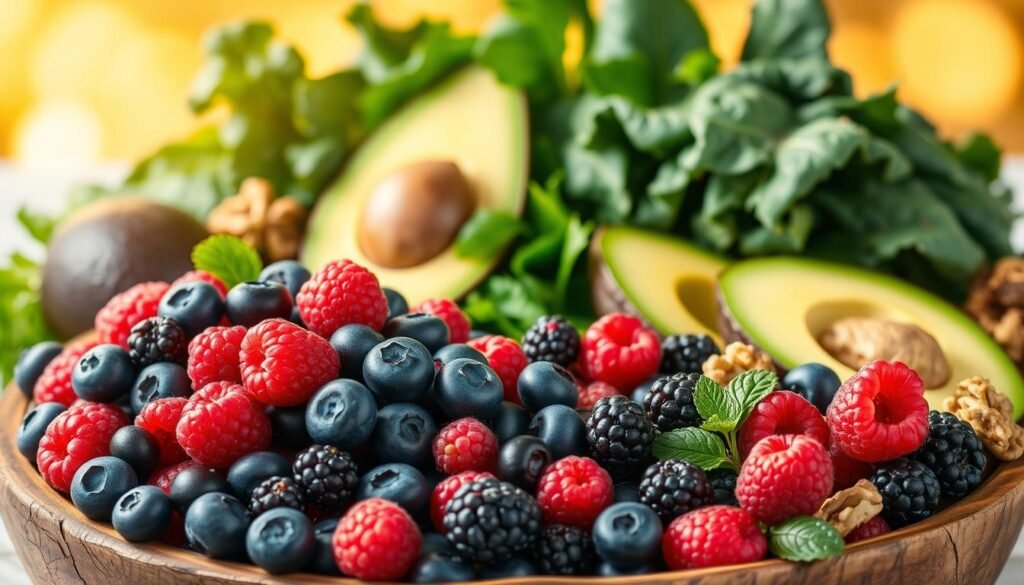
Berries are packed with antioxidants essential for reproductive health. Blueberries and raspberries are particularly beneficial choices.
These antioxidants may help protect egg quality throughout your cycle. They prevent cellular aging and damage from oxidative stress.
Adding berries to breakfast or snacks makes nutrition enjoyable. This simple habit supports your body’s natural reproductive processes.
Building a Balanced Fertility Diet with Dairy, Legumes, and Whole Grains
Creating balanced meals with dairy, legumes, and whole grains forms a strong foundation for reproductive wellness. These three food groups work together to provide essential nutrients your body needs.
Full-Fat Dairy for Ovulatory Support
Research shows full-fat dairy products may help reduce ovulatory issues. Unlike low-fat versions, these options provide vitamins A, E, and D that support hormonal balance throughout your cycle.
Hard cheeses like Parmigiano-Reggiano and camembert contain polyamines that enhance reproductive function. Including these dairy products when trying to get pregnant can make a meaningful difference.
Legumes and Whole Grains to Sustain Energy Levels
Beans and lentils offer plant-based protein and folate, both linked to better pregnancy outcomes. Women who get more protein from plants often see improved ovulation patterns.
Whole grains like oats and brown rice provide steady energy without blood sugar spikes. They help maintain healthy weight by keeping you full longer. Your body processes these complex carbohydrates slowly.
Try combining these elements in daily meals. A breakfast of whole grain toast with cheese, or a lunch of lentil soup with whole grain crackers, creates nourishing options that support your goals.
Nutritional Essentials: Iron, Folic Acid, and Vitamins
Two key nutrients stand out as particularly important for reproductive success: iron and folic acid. Research shows that getting enough of these essential elements may help you get pregnant and maintain a healthy pregnancy.
Iron-Rich Foods and Their Role in Fertility
Iron plays a crucial role in reproductive health. It supports healthy ovulation and prevents anemia. Your body needs adequate iron to handle increased blood volume demands.
Excellent iron sources include beans, peas, poultry, eggs, and fish. Beef, pork, broccoli, and dried fruits also provide this vital mineral. Try incorporating these throughout your day for consistent intake.
Folic Acid Sources for Conception Support
Folic acid is essential for DNA synthesis and cell division. It helps prevent neural tube defects in early pregnancy. This B vitamin also functions as an antioxidant protecting reproductive cells.
Find folic acid in dark leafy greens, whole grains, and citrus fruits. Lentils, nuts, seeds, avocados, and bell peppers are also rich sources. Interestingly, higher folate levels correlate with better sperm count and quality in men.
Consider discussing prenatal vitamin supplementation with your doctor. While whole food sources are ideal, supplements can help meet increased needs when trying to conceive.
Lifestyle Factors and Foods to Avoid for Better Fertility
When optimizing your nutrition for conception, it’s equally important to know what to limit as what to include. A smart approach involves identifying items that might hinder your progress.
Both partners benefit from making these adjustments together. Small changes can create significant improvements in reproductive outcomes.
Identifying Processed Foods and Excess Sugars
Added sugar found in sweetened beverages and baked goods can disrupt hormonal balance. These items cause rapid blood sugar spikes that may lead to weight gain.
This metabolic disruption can affect fertility by interfering with ovulation. Refined carbohydrates like white bread have similar effects.
For women with PCOS, reducing sugar intake is particularly important. Processed meats like deli cuts and sausages also contain additives that may impact reproductive health.
Managing Caffeine and Alcohol Intake
High caffeine consumption (more than two cups daily) can reduce conception chances. Moderate your intake rather than eliminating it completely unless advised.
When trying to get pregnant, consider cutting back on alcohol. Heavy use (over two drinks per day) may harm early fetal development.
Reducing alcohol also prepares you for pregnancy. Remember that stress management and balanced exercise complete the picture.
These lifestyle adjustments support your body’s natural rhythms. They create the best environment for conception success.
Conclusion
Embarking on the path to parenthood is a journey filled with hope, and making thoughtful nutritional choices is a powerful step you can take. The research we’ve explored shows how a balanced approach to eating can create a supportive environment for your body.
Remember, this fertility diet is one piece of a larger puzzle. While good nutrition is vital, it cannot cure underlying medical conditions that cause infertility. It works best alongside medical guidance and healthy lifestyle habits.
View these changes as empowering actions while you are trying conceive. They help prepare your body for a healthy pregnancy when you get pregnant. Don’t forget the importance of sleep, stress management, and gentle exercise.
Many people face challenges on their journey. Stay hopeful and patient. For personalized advice, talk to your doctor or a registered dietitian. They can help you build a plan that’s right for you.